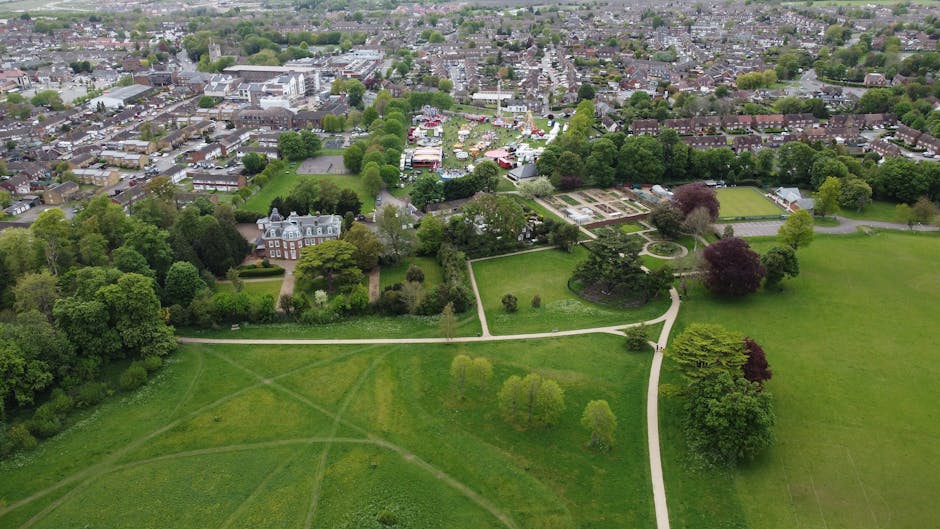
Gardeners for Pinner Memorial Park Verge and Hedge Care
If you're looking after a stretch of verge or a hedge near Pinner Memorial Park, you already know it's not just a quick trim and move on. These are the places people see every day. They shape first impressions, soften hard edges, and can either make a space feel cared for or, well, a bit neglected. Good gardeners for Pinner Memorial Park verge and hedge care understand that balance: neat, safe, healthy, and in keeping with the local setting.
This guide breaks down what proper verge and hedge maintenance involves, why it matters, how it works in practice, and what to look for if you're comparing options. Whether you're a resident, a property manager, a business owner, or someone responsible for communal grounds, you'll find practical advice here without the usual fluff. And yes, we'll cover the small things too, because with hedges and verges, the small things are often the difference between tidy and troublesome.
Table of Contents
- Why Gardeners for Pinner Memorial Park verge and hedge care Matters
- How Gardeners for Pinner Memorial Park verge and hedge care Works
- Key Benefits and Practical Advantages
- Who This Is For and When It Makes Sense
- Step-by-Step Guidance
- Expert Tips for Better Results
- Common Mistakes to Avoid
- Tools, Resources and Recommendations
- Law, Compliance, Standards, or Best Practice
- Options, Methods, or Comparison Table
- Case Study or Real-World Example
- Practical Checklist
- Conclusion
- Frequently Asked Questions
Why Gardeners for Pinner Memorial Park verge and hedge care Matters
Verge and hedge care is one of those jobs that quietly holds a whole area together. A well-kept verge creates a clean boundary between pavement, road, and planting. A healthy hedge gives shape, privacy, shelter, and a softer look than fencing ever will. Around Pinner Memorial Park, where footfall, visibility, and local character all matter, the standard really does need to be more than "good enough".
Let's face it: overgrown hedges don't just look untidy. They can block sightlines, trail across paths, catch on pedestrians, and crowd out smaller plants. Verges left unmanaged can become patchy, muddy, or full of weeds. And once a space slips, it usually takes more work to bring it back. That's why routine care is not just cosmetic. It is preventative.
There's also a community aspect. In busy parts of London, neat edges and trimmed hedging help a space feel looked after, which affects how people use it. A tidy verge near a park entrance or along a route people walk daily can make an area feel safer and more welcoming. If you're also thinking more broadly about outdoor upkeep, it can be useful to look at regular garden maintenance services as part of a wider grounds care plan.
Expert summary: Good verge and hedge care is not just about appearance. It helps with safety, plant health, access, and the long-term condition of the whole site. If it is done consistently, it usually becomes easier and cheaper to maintain over time.
How Gardeners for Pinner Memorial Park verge and hedge care Works
Professional verge and hedge care usually starts with an assessment. A gardener will look at the hedge type, growth rate, season, access, nearby paths, and whether the verge is decorative, functional, or both. That matters because a formal box hedge needs a different approach from a mixed shrub boundary, and a roadside verge is handled differently from a quiet pedestrian edge.
The actual work often includes some combination of cutting, shaping, clearing, edging, feeding, watering, weed control, and debris removal. On paper that sounds straightforward. In reality, timing and technique matter a lot. Trim too hard in the wrong season and you can stress the hedge. Cut verges too low and they can thin out, leaving bare soil that turns muddy after rain. A decent gardener reads the site first, then chooses the approach.
In practical terms, this is usually how it works:
- Inspect the hedge and verge for damage, disease, nesting activity, blockage, or uneven growth.
- Agree what needs cutting, what should be left, and what level of finish is expected.
- Carry out trimming or shaping with the right tools and safe access.
- Remove arisings, litter, and loose cuttings so the area is usable again.
- Check the final line, visibility, and boundary shape before finishing.
If the site is part of a larger grounds schedule, many teams pair this work with hedge trimming and shaping or lawn care and edging so the whole area is maintained coherently rather than in isolated patches.
To be fair, the best results usually come from steady maintenance rather than dramatic rescue work. A hedge that gets light, regular shaping tends to respond better than one that is left for a year and then hacked back in one go. Same with verges. Small, frequent interventions are often the secret.
Key Benefits and Practical Advantages
There are the obvious benefits, and then there are the ones people only notice when they disappear.
- Better kerb appeal: Clean verge lines and neatly shaped hedges make a site look cared for immediately.
- Improved safety: Trimming back encroaching growth helps keep paths, entrances, and sightlines clear.
- Healthier plants: Proper pruning encourages stronger growth and reduces dead, congested material.
- Reduced long-term costs: Routine care can prevent expensive recovery work later.
- Cleaner outdoor space: Less debris, fewer weeds, and fewer overgrown corners make an area easier to use.
- More consistent site presentation: Regular attention keeps the whole boundary line looking intentional, not accidental.
There is also a quieter benefit: people tend to respect spaces that look maintained. You can see this at park edges, local walkways, and communal frontages. A tidy verge doesn't solve every problem, obviously, but it does change how a place feels. That matters more than people admit.
If your site has mixed planting, seasonal colour, or more bespoke borders, integrating hedge and verge care with professional landscaping support can help the whole boundary feel more balanced and less piecemeal.
Who This Is For and When It Makes Sense
This kind of service is useful for a surprisingly wide group of people. It is not just for large estates or public bodies. In fact, some of the most common clients are the ones managing modest outdoor spaces that need to look tidy every day, not just after a big annual clear-up.
You may need verge and hedge care if you are responsible for:
- a residential property with boundary hedges or a street-facing verge
- a shared communal garden or access route
- a small business frontage near public footfall
- a managed site with park-adjacent planting
- a landlord or letting agent keeping exterior presentation in check
- a local organisation looking after a visible green edge
It also makes sense if you've started noticing practical issues rather than just cosmetic ones. For example, the hedge is starting to narrow a pavement. The verge is holding water after rain. Cuttings keep blowing across a walkway. Or maybe you've reached that awkward stage where everyone says, "It'll be fine next month," and next month comes round looking exactly the same. Funny how that happens.
If the work is happening as part of a broader grounds plan, some property managers also review tree surgery and canopy management to keep larger vegetation from competing with hedges and light levels.
Step-by-Step Guidance
If you want a good outcome, it helps to understand the process rather than just the end result. Here is a sensible, real-world way gardeners approach verge and hedge care around a site like Pinner Memorial Park.
1. Assess the site properly
First, identify the hedge species, height, density, and condition. Some hedges tolerate repeated trimming well. Others need a gentler touch. The verge should also be checked for compaction, drainage issues, weed pressure, and worn patches caused by foot traffic or parked bikes.
2. Choose the right timing
Timing matters more than many people think. A hedge cut in the wrong season may lose shape, fail to recover well, or disturb wildlife. A verge cut during very wet ground conditions may lead to rutting and soil damage. So the best job is often the one done at the right time, not the fastest one.
3. Define the finish before cutting
What should the hedge do? Hide? Screen? Frame? Protect? The answer changes how it should be cut. A line hedge needs crisp edges and consistent height. A softer, mixed boundary may need a looser profile. Verges need a finish that looks neat but still allows healthy regrowth.
4. Trim in stages where needed
Good gardeners don't usually attack everything in one pass. They work through the hedge face, top, and sides with attention to taper and balance. A slight taper can help the lower growth receive light, which is especially useful on older hedges. On verges, the aim is often to define the edge without scalping the planting.
5. Clear and inspect
Once the cutting is done, all arisings should be removed unless there is a specific mulching plan. Then the site should be checked for missed sections, broken branches, blocked drains, or any hazard left behind. This is the unglamorous bit. Still important, though.
6. Set the next maintenance date
The best care is scheduled care. If you wait until hedges have become unruly, you're already behind. A proper maintenance rhythm keeps the work manageable and the site consistently presentable.
Expert Tips for Better Results
Here are the little things that make the biggest difference in practice.
- Trim before growth gets too heavy: Light regular cuts are usually better than drastic reset work.
- Keep the base wider than the top where appropriate: This helps lower growth receive light and stay dense.
- Watch for nesting and habitat issues: In bird nesting season, sensible caution is essential. If there is any doubt, the work should be timed carefully and checked properly.
- Don't ignore the verge edge: A crisp boundary line makes the whole area look better, even if the rest is simple.
- Use the right cut for the plant: Some shrubs forgive hard pruning, others really do not. The plant tells you a lot if you look properly.
- Leave the site cleaner than you found it: Cuttings, litter, and loose twigs all affect the final impression.
A small but useful habit: take a walk around the site before the team leaves, ideally from the viewpoint of a visitor using the space for the first time. What do you notice? What would catch your eye, for better or worse? That simple check can save a lot of missed details.
If you are comparing service levels, our approach to reliable garden care can help you understand the standards many clients look for, especially when consistency matters more than a one-off tidy-up.
Common Mistakes to Avoid
Most hedge and verge problems are not caused by one huge mistake. They come from a few small habits repeated over time. Truth be told, that's usually how outdoor maintenance goes.
- Cutting too hard at the wrong time: This can leave hedges thin, stressed, or uneven.
- Ignoring the shape of the plant: If you trim without thinking about growth habit, the hedge can become top-heavy or hollow.
- Leaving debris behind: Cuttings left on verges can smother grass or create a messy finish.
- Letting weeds take hold: Once weeds establish in the base of a hedge or verge, they become more labour-intensive to remove.
- Overlooking drainage and compaction: Wet, compacted verges can deteriorate quickly if the underlying issue is not addressed.
- Failing to plan access: If the site is awkward to reach, rushed work can lead to missed sections and poor finishing.
One surprisingly common issue is the "quick tidy" that only touches the front-facing parts. It looks fine from a distance, then you walk a few metres along and the untended side reveals itself. Not ideal. And everyone sees it eventually.
Tools, Resources and Recommendations
Professional gardeners use different tools depending on hedge type, access, and finish. You do not need to know every technical detail, but it helps to understand what the equipment is doing.
| Tool or Resource | Best Used For | Why It Helps |
|---|---|---|
| Hedge trimmer | Routine hedge shaping and trimming | Creates a consistent finish on suitable hedges |
| Secateurs and loppers | Thicker stems, deadwood, selective pruning | Gives more control than powered cutting |
| Edging tools | Defining verge lines and boundaries | Makes soft edges look neat and intentional |
| Leaf blower or sweep tools | Clearing cuttings and debris | Improves presentation and safety |
| Mulch or soil improver | Supporting plant health where appropriate | Helps soil retain moisture and structure |
| Site schedule or maintenance plan | Planning repeat visits | Keeps care consistent through the year |
In some cases, you may also want advice from a team that handles weed control and border maintenance, especially where verge edges are being overrun by invasive growth or persistent self-seeding plants.
Resources do not always mean equipment. A good site plan, seasonal calendar, and clear notes from previous visits can be just as valuable. Actually, more valuable sometimes. A lot of outdoor work improves simply because somebody remembered what happened last time.
Law, Compliance, Standards, or Best Practice
Any work near public routes, shared access ways, or park-adjacent boundaries should be carried out with care for public safety, wildlife, and site access. In the UK, that usually means following good arboricultural and horticultural practice, applying sensible risk assessment, and avoiding unnecessary disturbance. Where bird nesting or protected habitats may be present, extra caution is the right approach.
For managed or public-facing sites, there is also a duty to keep the area reasonably safe and accessible. That does not mean every hedge must be perfectly uniform every day. It does mean overgrowth should not obstruct paths, hide sightlines, or create avoidable hazards. A responsible gardener will work within those expectations rather than treating them as an afterthought.
Best practice usually includes:
- checking for nesting activity before heavier cutting
- using appropriate personal protective equipment
- keeping walkways clear during and after work
- disposing of green waste responsibly
- avoiding unnecessary damage to roots, stems, and verge soil
- communicating clearly about timing, access, and any site restrictions
If your project is tied to a managed premises or wider grounds portfolio, it can be worth aligning hedge and verge care with commercial gardening services so maintenance standards stay consistent across the whole site.
Options, Methods, or Comparison Table
There is more than one way to maintain a hedge or verge, and the right method depends on the purpose of the space. Here's a simple comparison that can help you think it through.
| Method | Best For | Pros | Trade-Offs |
|---|---|---|---|
| Light routine trimming | Established hedges and tidy verges | Fast, neat, supports regular upkeep | Needs consistency |
| Restorative reduction | Overgrown or neglected hedges | Can recover structure over time | May need staged work and patience |
| Selective pruning | Mixed shrubs and naturalistic boundaries | Protects shape and plant health | Takes more judgement and time |
| Formal clipping | Defined hedges along visible edges | Sharp finish and strong visual impact | Must be repeated more regularly |
| Edge maintenance with weed control | Verges that border paths or drives | Cleaner lines, better access | Requires ongoing follow-up |
Which is best? That depends on whether the priority is presentation, access, plant recovery, or all three. Most real sites need a blend rather than one single method. The neat answer is usually the wrong one if it ignores how the space is actually used.
Case Study or Real-World Example
Picture a small site near Pinner Memorial Park with a hedge running along a pedestrian edge and a narrow verge where soil has started to show through in patches. The hedge is not disastrous, but it has become uneven after a few missed cuts. The verge, meanwhile, is getting muddy at the corners where people naturally step off the path in wet weather.
A sensible maintenance visit would not begin with heavy cutting straight away. First comes a walkthrough. The gardener notes where the hedge is denser, where growth is thin, and whether any section needs to be left for safety or seasonal reasons. Then the verge edge is redefined carefully, with weeds removed and the boundary cleaned up so the line reads clearly again.
After that, the hedge is trimmed back just enough to restore shape without stripping too much growth. Cuttings are cleared. The base is inspected. A follow-up visit is planned before the hedge gets unruly again. Simple, really. But that sequence is what keeps a space from drifting into neglect.
What often surprises people is how much difference that first proper reset makes. The area feels wider. The light looks better. The space just breathes a bit more. You can almost hear the site settle back into itself. Slightly dramatic, maybe, but not entirely wrong.
Practical Checklist
Use this before booking, planning, or reviewing hedge and verge care.
- Check the hedge type and whether it needs light trimming or corrective work
- Inspect the verge for weeds, worn patches, drainage issues, or compacted soil
- Confirm access for tools, waste removal, and safe working around pedestrians
- Decide whether the priority is appearance, safety, plant health, or all three
- Ask how debris and cuttings will be removed
- Make sure the timing avoids unnecessary disturbance to wildlife
- Agree the expected finish level before work begins
- Plan follow-up visits so the site does not slip back too quickly
- Combine hedge, verge, and border work where it makes sense
- Keep records of what was done, especially on recurring sites
If you have a larger outdoor upkeep plan, you may also find it useful to review garden clearance support for one-off tidy-ups or seasonal resets that sit alongside regular maintenance.
Conclusion
Gardeners for Pinner Memorial Park verge and hedge care is about much more than cutting things back. It is about keeping a visible green space safe, tidy, healthy, and respectful of the area around it. Done properly, it saves time later, avoids unnecessary problems, and keeps the site looking as though someone is actually paying attention. Which, let's be honest, is usually what people want.
The strongest approach is steady, site-aware, and seasonal. Trim with judgement. Clear up properly. Plan the next visit before the current one is forgotten. That is how small outdoor spaces stay pleasant instead of becoming another job to "sort out soon".
Get a free quote today and see how much you can save.
And if you're weighing up your next step, start with a proper assessment. A few honest observations now can make the whole season easier. That's a good feeling, really. A simple one, but a good one.
Frequently Asked Questions
What does verge and hedge care include?
It usually includes hedge trimming, shaping, verge edging, weed removal, debris clearing, and sometimes light pruning or soil care. The exact scope depends on the site and the condition of the planting.
How often should hedges near a park or public-facing area be maintained?
That depends on the hedge species and how fast it grows, but many visible boundaries benefit from regular seasonal checks and periodic trimming. Faster-growing hedges often need more frequent attention.
Can an overgrown hedge be restored?
Often, yes, but not always in one visit. Some hedges respond well to staged reduction over time, while others need a gentler approach to avoid damaging the plant.
Why is verge edging important?
Edging creates a clean boundary, helps a space look cared for, and can reduce encroachment onto paths or drives. It also makes routine maintenance easier to manage.
Is hedge cutting allowed during bird nesting season?
Care is needed during nesting season. If there is any chance active nests are present, work should be delayed or adjusted. A responsible gardener will check carefully and avoid disturbance.
What is the difference between trimming and pruning?
Trimming is usually about shaping and maintaining visible growth. Pruning is more selective and often targets specific stems, deadwood, or plant structure. Both can be part of hedge care.
How do I know if my verge needs professional attention?
If it is patchy, weed-ridden, muddy, overrun, or beginning to affect access and appearance, it probably needs more than a casual tidy-up. A professional can assess the cause as well as the symptoms.
Can verge and hedge care be included in a wider maintenance plan?
Yes, and that is often the best way to do it. Combining hedge care with other garden maintenance tasks usually gives a better result and keeps standards more consistent.
What should I ask before hiring gardeners for this kind of work?
Ask what is included, how often they recommend visits, how waste will be removed, whether they will check for nesting or access issues, and what level of finish you should expect.
Does regular maintenance really save money?
Usually, yes. Small, regular visits tend to prevent larger recovery jobs, reduce plant stress, and keep verges from breaking down into costly repairs or heavy clearance work.
What happens to the cuttings and green waste?
That depends on the service agreement, but responsible gardeners normally remove and dispose of waste properly or mulch it where appropriate and safe to do so.
Can I combine hedge care with landscaping improvements?
Absolutely. If a verge or hedge line is part of a larger outdoor area, it often makes sense to combine maintenance with broader landscaping work so the whole space feels coherent.